From Gugak to K-pop:
Past and present of Korean Music
If you would like to learn more about Korean traditional music, playful interactive installations with real instruments for demonstration are housed in the Gugak Museum (2364 Nambusunhwan-ro, Seocho, Seoul).
With close to three decades of globalising Korean cultures, it’s time to go down the memory lane tracing the musical notes linking Korean traditional music and the contemporary K-pop phenomenon.
There have been loads of key moments in these recent decades of K-pop rising: from the iconic idols through the early years such as Lee Hyori, Rain, BoA, the catchy earworm songs that go viral globally namely Wonder Girls’ Nobody and PSY’s Gangnam Styles, to the first K-pop song Golden that took home an Oscar.
A question thrown at us, how has Korean traditional music - the Gugak - influenced the shape of K-pop? Or what makes K-pop uniquely Korean, other than the music being produced in Korea by Korean musicians that are popularised globally? After reviewing essential works of Gugak, examining the Gugak instruments, and comparing them with the era-turning songs in K-pop, we find some critical similarities between Gugak and K-pop.
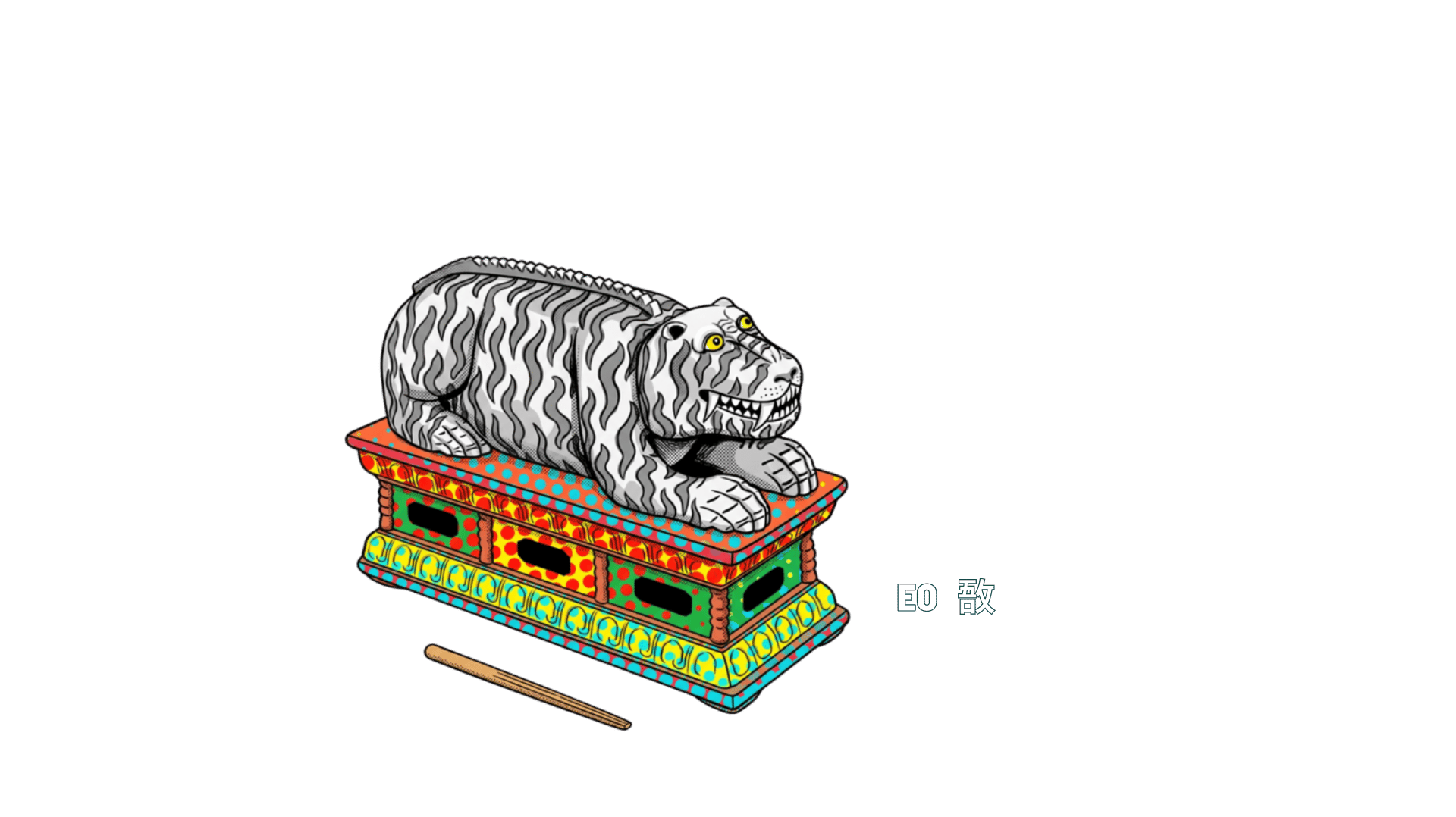
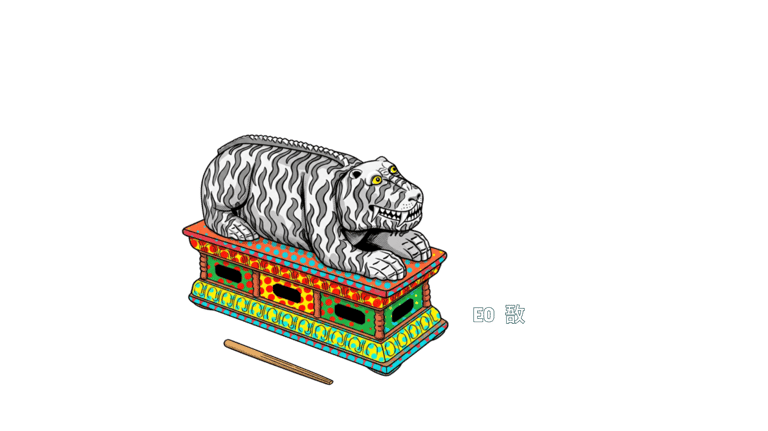
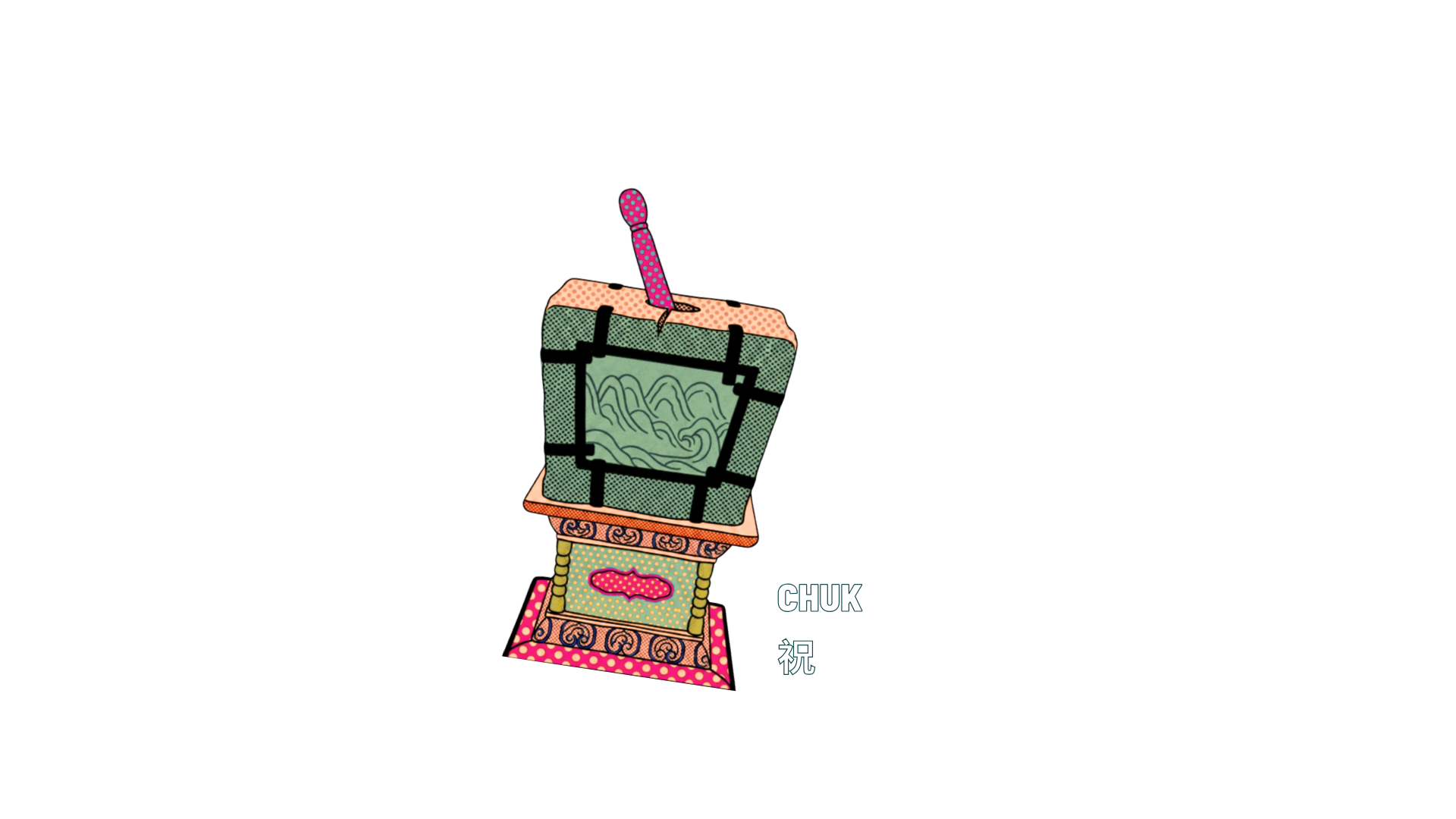
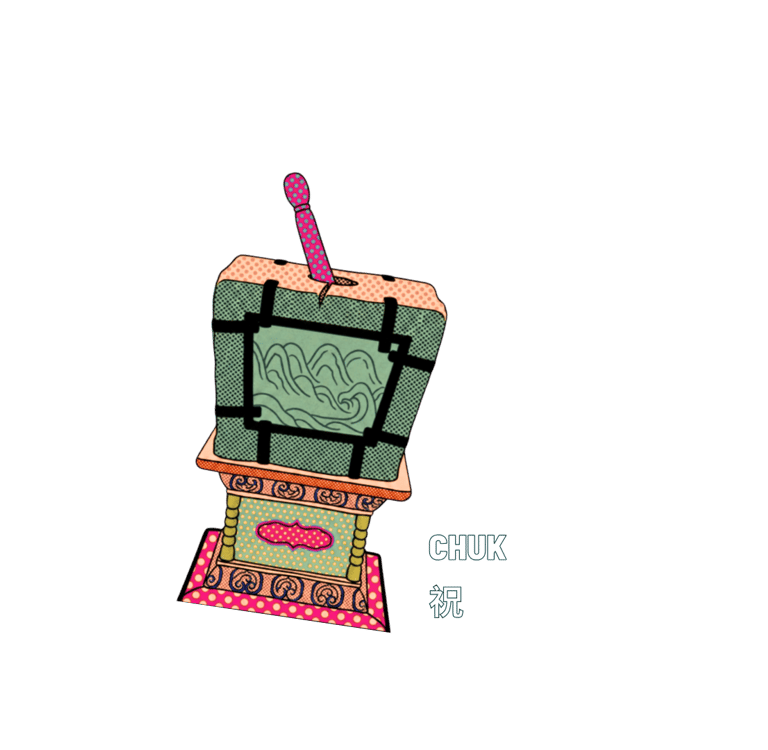
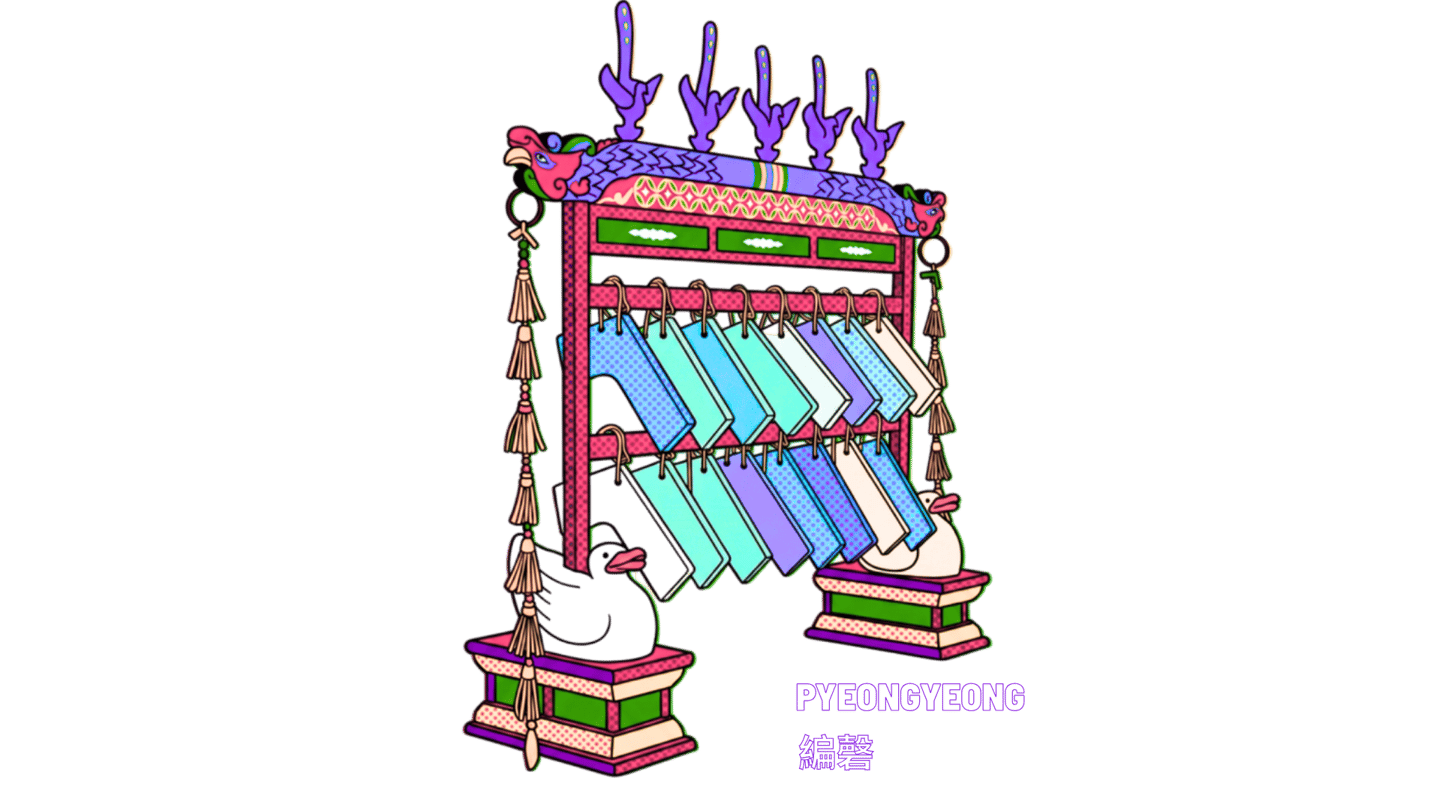
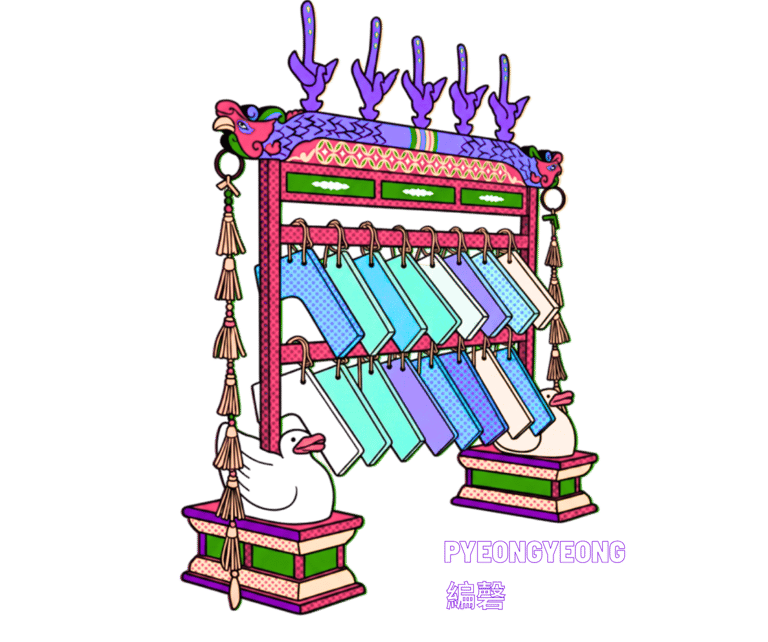
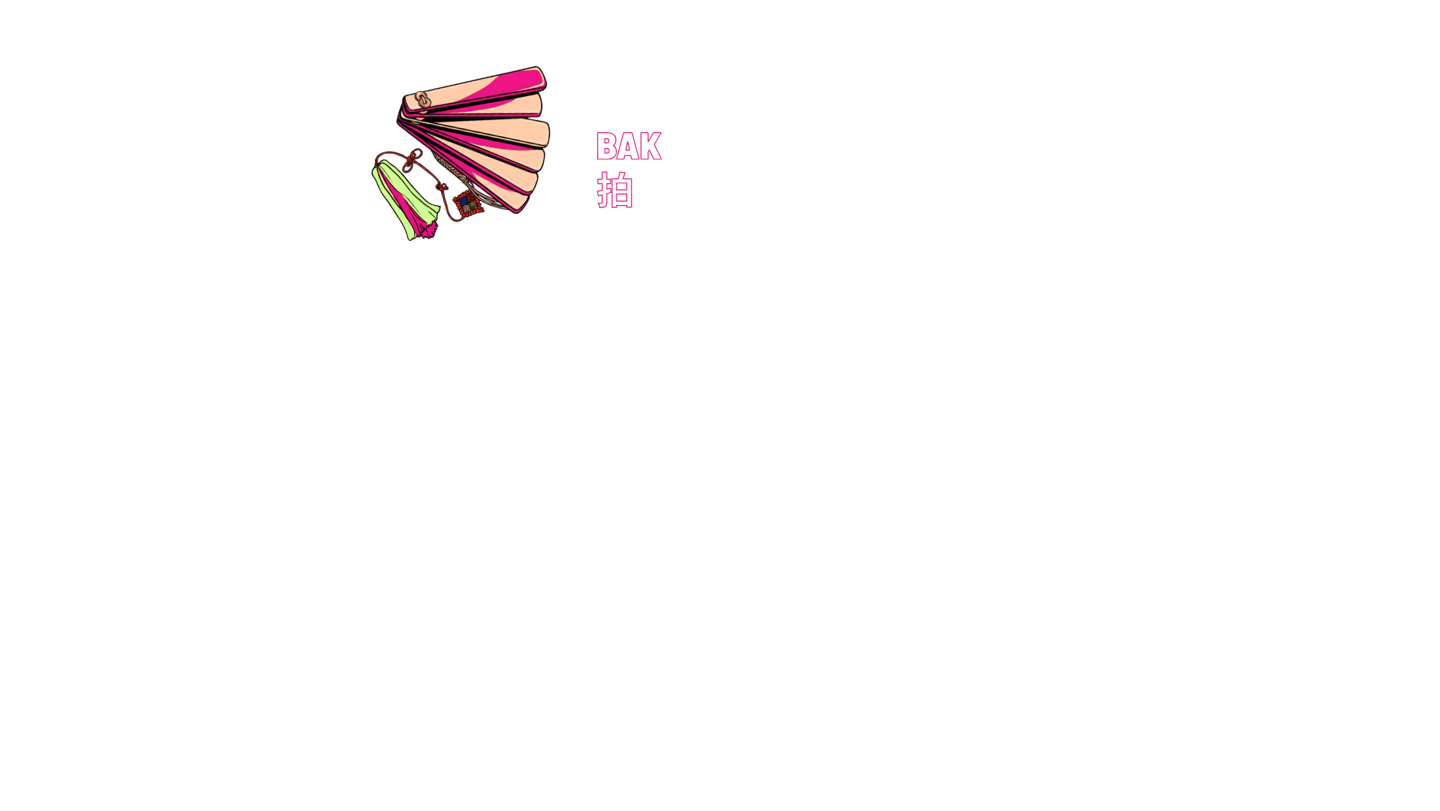
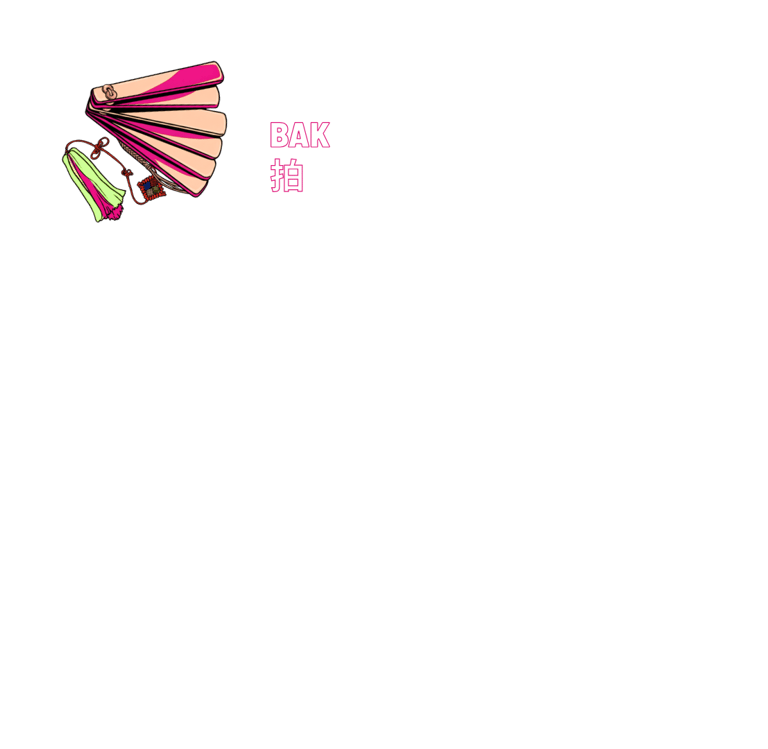
In Gugak, there is wide use of diverse forms of wooden percussive instruments such as Chuk, Jingo drums, Bak, as well as the cute Eo with a white tiger and Pyeongyeong with two little ducks at the base. The strong drumming beats have been inherited in the shaping of K-pop music but in a constrained way, making it energetic but not as harsh as the heavy metal rock. With the bold use of various instruments, the K-pop music displays rhythmic diversity and enriched mixing of instrumental sounding systems.
The K-pop songs also inherited beautiful melodic lines from the Gugak music which are often led with the use of string instruments such as gayageum, geomungo, haegeum and ajaeng or woodwind instruments such as daegeum and piri. In traditional Korean music, group dance functions as a distinct part of performance, while most K-pop bands visualise their songs with dynamically choreographed group dancing.
To make the music easily resonated across cultures, there have been many special maneuvers of consonant-vowel blending which may not carry any literary meaning in the highly popular K-pop songs - notable ones are ‘choom’, ‘du’ and ‘gee’. There has also been limited literacy influence from the Gugak music. From the curatorial statement of Kim Sora’s Cosmo Vitale Production No.2 moving images artworks exhibited in the Museum of Modern and Contemporary Art in Seoul, “language and symbols are constantly reconfigured through cultural contexts and practice rather than possessing fixed meaning”. Indeed, natural languages are constantly adapting through time and physical contexts which are evidenced from the produced musical pieces.
First entry date: 14 Jul 2026

© 2026 MUSECOLOGY LIMITED